Scottsdale, Arizona
Roofers in Scottsdale, AZ
We provide on-site roof assessments and written quotes for Scottsdale homeowners: tile, foam, shingle, and metal systems shaped by desert heat and monsoon storms. Call (602) 905-5339.
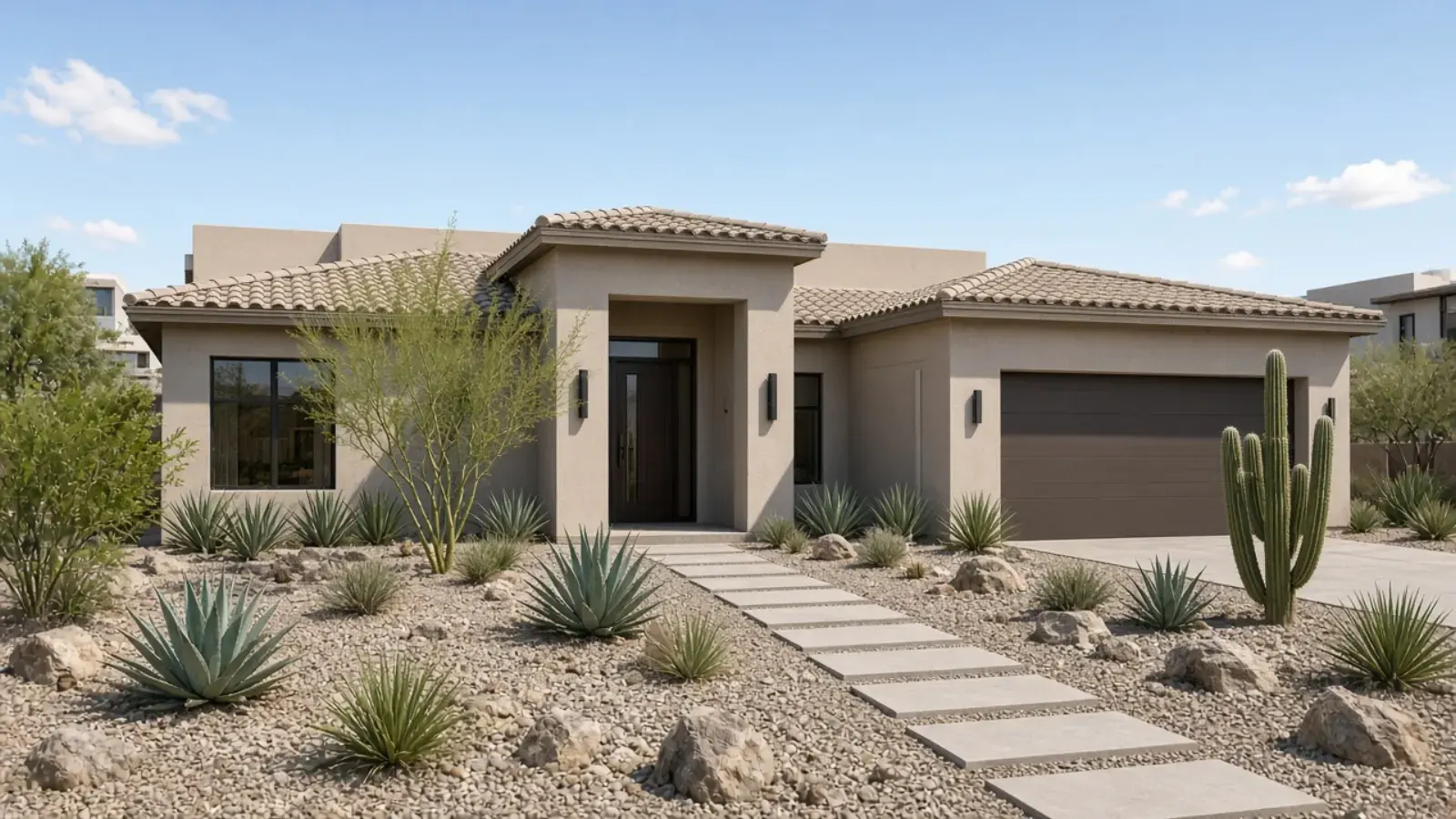
Scottsdale roofing for desert homes
Scottsdale sits between the Salt River Valley floor and the McDowell Mountains, so roofs here take full sun most of the year and sudden summer storms when moisture arrives. Fountain Hills AZ Roofing schedules residential visits across Scottsdale for roof repair, roof replacement, and inspections. We write the scope after we see your roof. Fountain Hills remains our primary city; Scottsdale is a secondary area with master-planned communities, strict architectural palettes in many neighborhoods, and a mix of pitched tile and flat contemporary roofs.
Typical housing and roof types in Scottsdale
Concrete tile covers a large share of pitched roofs built from the late 1970s onward. Clay tile shows up more on custom and higher-end homes. Flat and low-slope sections, often spray polyurethane foam with a protective coating, or a single-ply membrane, appear on contemporary and Pueblo-inspired designs with parapets. Older south Scottsdale ranch homes may still carry asphalt shingles or overlays.
On tile roofs, the tile often outlasts the waterproofing beneath it. Heat and UV bake older felt until it cracks; monsoon rain then reaches the deck even when tiles look intact from the street. Foam roofs succeed or fail with their coating: once UV thins it, the foam can erode. Shingles oxidize faster on south- and west-facing slopes. We note which system you have before talking repair versus replacement.
City permit basics (typically)
The City of Scottsdale publishes a re-roofing handout and development-process guidance as a starting point. A like-for-like re-roof often does not require a building permit. A permit is typically required when any roof sheathing or structural framing is repaired or replaced. The City's handout also notes a maximum of one asphalt-shingle overlay over one existing shingle roof, and calls for plan review plus structural data when tile is proposed over an existing covering on slopes of 4:12 or greater.
Scottsdale has adopted the 2021 International Building Code and 2021 International Residential Code with local amendments. Projects that need city approval go through Planning and Development Services' online portal (Scottsdale SPUR for projects initiated after January 6, 2026). The One Stop Shop at 7447 E. Indian School Road remains a contact point. City rules and portals change. Verify the current requirement for your address and scope before tear-off.
HOA and architectural review
Many Scottsdale master-planned communities maintain guidelines for roof color, profile, and material. Changing from shingle to tile, shifting a tile color, or altering a flat-roof edge can trigger Architectural Review Committee review. Keeping the same tile profile and color on a lift-and-relay may stay outside review in some associations, but that is not universal. Bring your CC&Rs when you can; we document products and photos associations commonly ask for, while final approval stays with your committee.
Heat, UV, and monsoon damage patterns
Valley roof surfaces commonly run far hotter than air temperature on summer afternoons, often in the 150 to 170°F range cited in U.S. Department of Energy roof-heat discussions, so sealants, pipe boots, and underlayment age quickly. The National Weather Service Phoenix Weather Forecast Office defines monsoon season as June 15 through September 30, when dust, wind, and brief heavy rain test weak flashings and brittle felt. After storms we often see displaced ridge tiles, punctured foam coatings, clogged scuppers, and leaks at wall intersections. A May inspection gives you time to fix small openings before July. Call (602) 905-5339 if you want that pre-season look.
Neighborhoods and areas we serve in Scottsdale
We schedule work across central and north Scottsdale, including McCormick Ranch, Gainey Ranch, Scottsdale Ranch, Stonegate, DC Ranch, McDowell Mountain Ranch, Grayhawk, Troon, Desert Mountain approaches, and streets around Old Town and the Shea corridor within our East Valley radius. Housing age and roof type vary block by block, so the assessment starts with the specific roof on your lot.
What repair vs. replacement typically looks like here
Repair in Scottsdale often means replacing cracked tiles, resealing flashings, renewing pipe boots, clearing parapet drains, or recoating sound foam. Replacement or major renewal more often means a full tear-off, a tile lift-and-relay with new underlayment when tiles are still serviceable, or a foam recover when the coating has reached the end of its window. We photograph the roof, explain the options, and put the scope in writing before work begins. Financing may be available; ask your Fountain Hills AZ Roofing representative for details.
Services and nearby coverage
From Scottsdale we also cover Fountain Hills and Paradise Valley. See roof repair, roof replacement, and roof inspection.
Scottsdale roofing FAQs
Do I typically need a building permit to re-roof in Scottsdale?
According to the City of Scottsdale's published re-roofing guidance and development process pages, a like-for-like re-roof often does not require a building permit. A permit is typically required if roof sheathing or structural framing is repaired or replaced. Confirm your scope with the City before work starts, because requirements can change.
What roof types are common in Scottsdale?
Concrete and clay tile dominate pitched roofs in many master-planned neighborhoods. Flat and low-slope foam or membrane systems are common on contemporary and Pueblo-style homes. Older south Scottsdale stock may still use asphalt shingles. We assess the system on your house before recommending repair or replacement.
How do monsoon storms affect Scottsdale roofs?
The National Weather Service Phoenix office defines Arizona's monsoon season as June 15 through September 30. After months of intense UV and heat, wind-driven rain often finds weak underlayment, flashings, and pipe boots. We look for those monsoon leak paths during on-site assessments.
Will my Scottsdale HOA review a roofing project?
Many Scottsdale communities require architectural review for roof material, color, or profile changes. Like-for-like repairs sometimes stay outside committee review, but that depends on your CC&Rs. We can help document materials for HOA packets; final approval rests with your association and the City.
When is repair enough versus a full Scottsdale re-roof?
Localized cracked tiles, open flashings, or a few worn pipe boots are often repairable. Widespread underlayment failure under otherwise sound tile, repeated leaks across multiple slopes, or a foam coating worn through typically point toward a larger scope. We document findings with photos and explain options in writing.
Which Scottsdale neighborhoods do you serve?
We schedule Scottsdale visits across central and north corridors, including McCormick Ranch, Gainey Ranch, Scottsdale Ranch, DC Ranch, McDowell Mountain Ranch, Grayhawk, Troon, and surrounding streets within our East Valley radius. Call (602) 905-5339 to confirm your address.
How do I request a Scottsdale roofing quote?
Use the form on this page or call (602) 905-5339. We come to your Scottsdale property for an in-person assessment, then provide a written quote. Financing may be available; ask your Fountain Hills AZ Roofing representative for details.
Request a Scottsdale visit
Call (602) 905-5339 or use the quote form on this page. We come to your Scottsdale property, document what we find, and leave a clear written next step.